
Cold-water supply connection or shutoff valve
Water Heater Leak Repair · Union, NJ
Water Heater Pipe Leak Repair in Union, NJ
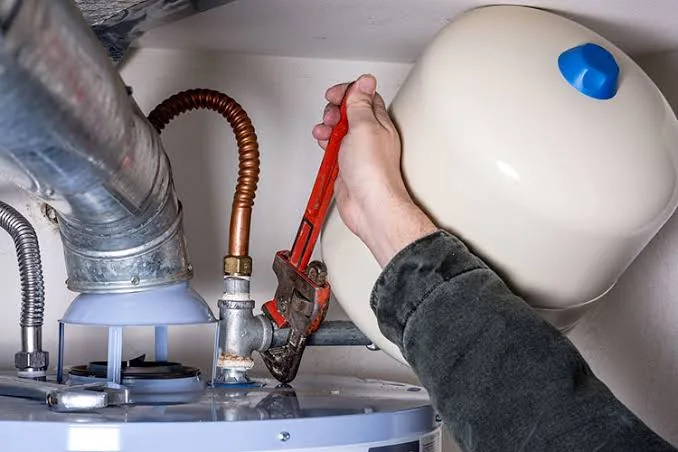
A leak near a water heater may be in the plumbing that supplies the unit rather than inside the heater. Common areas to examine include the cold-water inlet, hot-water outlet, shutoff valve, union, flexible connector, threaded fitting, and nearby expansion-control piping. Water can follow the pipe or jacket before it reaches the floor.
Calls are forwarded to an independent local plumbing provider.
Leak-source focusedKnow where the water may be coming from
Clear referral processCalls go to an independent provider
Local service inquiryCoverage is confirmed for your address
Start with the source
What a leak from this area may mean
Pipe leaks around water heaters can occur at threaded fittings, unions, connectors, shutoff valves, or inlet and outlet connections. The independent plumber should trace the moisture to its source and distinguish a plumbing-joint leak from condensation or a leak in the heater itself.
For broader guidance, see our water heater leak repair information for Union, NJ or call to explain what you are seeing. The provider can confirm whether it handles the specific system and issue.
Possible causes
What may be behind the leak
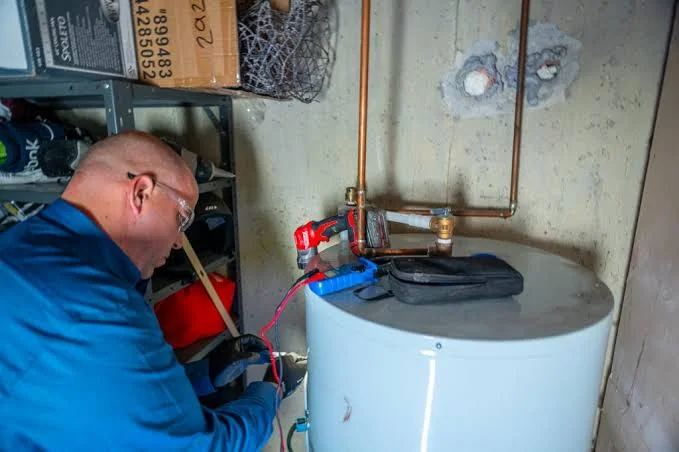
More than one component can create similar symptoms. An A. O. Smith technical bulletin lists condensation, drain-valve leakage, T&P relief-valve leakage, inlet/outlet piping, gas-valve threaded connections on gas models, electric-element gaskets on electric models, and tank leaks among potential causes of a puddle or water in a drain pan. The correct cause depends on the actual heater and installation.
Hot-water outlet pipe, union, or threaded fitting
Flexible connector or adapter
Expansion tank connection or other nearby plumbing
Condensation on a cold pipe mistaken for a leak
Technical reference: A. O. Smith Technical Bulletin 51 — Puddle on Floor ↗.
What you may notice
Common signs to describe
- A visible drip at a pipe joint or connector
- Mineral deposits or corrosion around a fitting
- Water tracking along a copper or other supply pipe
- A wet wall, floor, or pan near the water heater connections
Do not guess from the puddle
Possible leak sources
Use the visible clues to describe the issue, not to attempt your own repair. The provider can inspect the equipment and trace the moisture.
For a tank confirmed to be leaking through its shell, manufacturer guidance indicates the tank should be replaced. Other leak sources may have different repair options.
Professional diagnosis
What an independent plumbing provider may check
- Trace water to the first wet connection rather than the lowest drip point.
- Identify whether the source is a pipe, valve, union, fitting, or tank connection.
- Check for corrosion, thread damage, seal failure, or condensation.
- Confirm which section of plumbing is included in the provider’s scope and quote.
For a broader look at the symptoms and next steps, visit our Union water heater leak repair referral page. The page explains how Heater Shield connects callers with an independent provider and how the leak-source information fits together. For local context, review the service-area information for Union Center, Battle Hill. The independent provider confirms whether it serves the full street address.
Safety first
What to do while arranging help
Do not try to tighten a corroded fitting by force. A connection that looks simple may be under pressure or may transmit force to the tank connection. Avoid contact with wet electrical equipment and ask a qualified plumbing provider to assess the leak.
For a suspected carbon-monoxide event, the U.S. Consumer Product Safety Commission says to move outside to fresh air, call emergency services, and not re-enter until responders permit it.
Read CPSC carbon monoxide guidance ↗Do not improvise a repair
Do not remove covers, defeat safety devices, cap discharge pipes, or disturb hot, pressurized, gas, or electrical parts.
Call NowPrepare for the call
Useful details to share
When you call about water heater pipe leak repair, you do not need to diagnose the problem yourself. Share only what you can observe safely.
- Whether water is dripping, pooling, or flowing continuously
- Where you first notice moisture
- Whether the heater is tank, tankless, gas, or electric, if known
- Whether water is near electrical equipment or there is a gas odor
- Your full Union-area street address and ZIP code
Ask the provider to confirm service availability, any call-out charge, diagnostic fee, timing, and whether it handles your equipment type.
What happens when you call?
- Dial Heater Shield.
- Your call is forwarded to an independent local plumbing provider.
- The provider asks about the issue and your address.
- The provider explains whether it can assist and discusses its own fees and terms.
No appointment or response time is guaranteed by Heater Shield.
Common questions
Water Heater Pipe Leak Repair FAQs
Can a water heater leak actually be coming from a pipe?
Yes. Inlet and outlet piping, unions, shutoff valves, flexible connectors, and nearby fittings can leak. Water may then run down the heater and appear to come from the tank.
What if the pipe is wet but I cannot see a drip?
Condensation can form on colder pipes, while a small fitting leak may only appear intermittently. A professional can trace the moisture and check the connection.
Does a leaking water heater pipe mean the whole heater must be replaced?
Not usually. If the source is an external pipe or fitting and the heater itself is sound, the repair may be limited to the plumbing connection. Diagnosis is essential.
Related water heater topics
Explore related concerns
Union, New Jersey
Discuss your water heater pipe leak repair concern
Call Heater Shield. Your call is forwarded to an independent local plumbing provider, who can confirm whether they handle your issue and address.